
The first thing you notice in Jaipur is not a monument.
It is the color.
A soft, dusty pink that quietly wraps the city and stays with you long after you leave. This Jaipur travel guide is not about ticking boxes or rushing from one spot to another. It is about feeling the city the way it reveals itself—slowly, layer by layer.
Jaipur is not meant to be consumed in a hurry. It is a city that rewards patience, curiosity, and early mornings.
Jaipur Travel Guide: Why the Pink City Feels Unique
Unlike many historical cities, Jaipur was planned with intent. Wide roads, structured markets, and symmetry make it surprisingly easy to explore. At the same time, behind every corner lies a story—of kings, astronomers, traders, artists, and everyday life that still flows exactly where history left it.
That balance between order and chaos is what makes any Jaipur travel guide incomplete without personal experience.
Start Your Day the Jaipur Way
Mornings in Jaipur begin with sound. Temple bells, buses starting their routes, shop shutters opening one by one. This is also the best time to explore before the city heats up—both in temperature and crowds.
A local breakfast sets the tone. A crisp kachori with spicy filling, followed by a simple lassi, prepares you better than any itinerary.
After that, the city slowly opens itself to you.
Albert Hall Museum
Albert Hall Museum is a place many people see from outside but often skip. That is where they miss something special. It is near Ram Niwas Garden, and the building itself is very beautiful. In the evening, soft lights make the museum look even more attractive.
Inside, the museum offers a quiet contrast to Jaipur’s busy streets. You’ll find artifacts ranging from traditional textiles and miniature paintings to old coins, weapons, and everyday objects that tell stories of Rajasthan’s past. It’s not overwhelming, and that’s what makes it enjoyable. You can walk through at your own pace, pausing wherever something catches your eye.
Albert Hall Museum works best as a relaxed stop, either in the late afternoon or early evening. It’s less about rushing through exhibits and more about slowing down and understanding Jaipur beyond its forts and palaces.
Sargasuli Tower
Sargasuli Tower is a quiet place hidden inside the old city of Jaipur. Many people walk past it without noticing, but the view from the top is worth the short climb.
From the tower, you can see rooftops, narrow streets, and the everyday life of Jaipur below. It feels calm compared to the busy roads outside. The visit does not take much time, which makes it a good stop during a city walk.
Sargasuli Tower is best for travelers who enjoy simple places and peaceful moments while exploring Jaipur.
Jal Mahal
Jal Mahal is a calm and beautiful place in Jaipur. The palace stands in the middle of a lake and looks very peaceful.
You cannot enter the palace, but people come here to enjoy the view and take photos. Morning and evening are the best times to visit because the light is soft and the place feels quiet.
Jal Mahal is a small stop, but it gives a nice break from the busy city.
Amer Fort – Where Jaipur’s Story Truly Begins
No travel story about Jaipur feels complete without Amer Fort. From a distance, it appears calm and commanding. Once you step closer, the fort reveals layers of detail that ask you to slow down and pay attention.
Walking through its gates feels ceremonial. Ganesh Pol, Ram Pol, and Lakshman Pol guide you upward, each marking a transition from public space to royal privacy. Inside, courtyards open suddenly, offering views of Maota Lake and the surrounding hills.
The Sheesh Mahal is not just beautiful—it is intelligent architecture. Designed to retain warmth during winters, it reflects how luxury and science lived together here. Amer Fort teaches you something important: Jaipur’s royalty valued knowledge as much as power.
Jaigarh Fort
Jaigarh Fort is a quiet fort on a hill near Amer. It feels strong and peaceful at the same time.
From the fort, you can see a wide view of Jaipur and the nearby hills. The area is open and not very crowded, so you can walk around slowly. Inside, you will find old buildings and a very large cannon.
Jaigarh Fort is a nice place to spend some time and enjoy calm views away from the busy city.
Nahargarh Fort
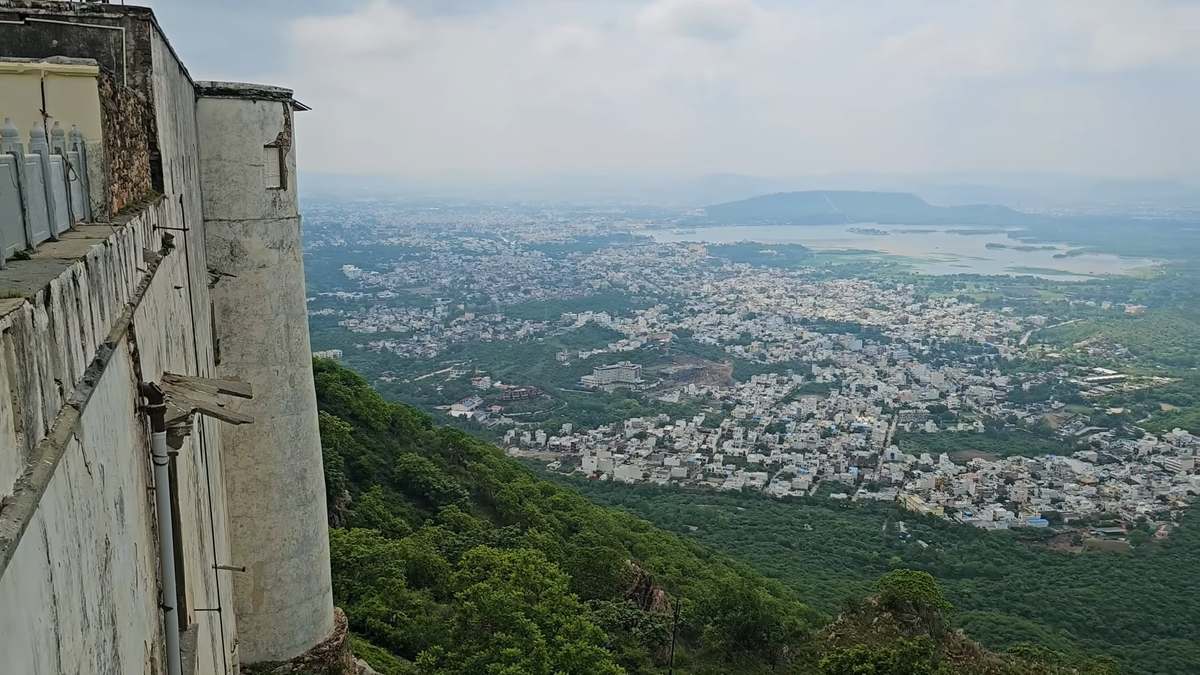
Nahargarh Fort is a beautiful place on a hill above Jaipur. It is well known for its amazing views of the city.
Many people visit this fort in the evening to watch the sunset. From the top, Jaipur looks calm and colorful. The fort is easy to walk around and feels less crowded during the day.
Nahargarh Fort is a good spot to relax, take photos, and enjoy the view of Jaipur from above.
Jagat Shiromani Temple – A Quiet Spiritual Pause
Just minutes away from Amer Fort stands a temple many visitors overlook. Jagat Shiromani Temple is calm, intimate, and deeply meaningful.
Here, you find Lord Krishna alongside Meera Bai—something rare in Indian temples. The architecture is subtle, and the atmosphere encourages silence. In a city filled with grandeur, this place reminds you that devotion can be gentle.
City Palace Jaipur – Living Royalty, Not Just History
Back in the city center, City Palace feels different from forts. It is alive.
Parts of it are still used by the royal family, and that presence changes how you experience the space. The Peacock Gate, seasonal courtyards, and museums showcase craftsmanship without overwhelming you.
One highlight many visitors remember are the massive silver vessels—symbols of faith, travel, and royal customs. City Palace does not shout its importance. It lets you discover it.
Jantar Mantar Jaipur – Science Written in Stone
Next door stands one of Jaipur’s most fascinating sites. Jantar Mantar is not about beauty—it is about precision.
Built by Maharaja Sawai Jai Singh II, this astronomical observatory still functions today. Massive instruments measure time, shadow, and planetary movement with accuracy that feels unbelievable for the era.
This is where Jaipur proves it was never only about palaces. Knowledge shaped the city as much as kings did.
Hawa Mahal – More Than a Photo Spot
Most people see Hawa Mahal from the outside and move on. That is a mistake.
Its 953 windows were designed for airflow and privacy, allowing royal women to observe city life without being seen. Step inside, and you understand why it is called the Palace of Winds. Cool air flows naturally, even in peak summer.
For photography lovers, early morning is best. For understanding Jaipur, stepping inside matters more.
Food Is Part of the Journey
Food is an essential part of experiencing Jaipur.
The flavors here are bold but thoughtful. Dal baati, kadhi, khichdi, and street snacks balance spice with simplicity. Some meals feel festive; others feel like home cooking. Both are equally important.
Eating in Jaipur is not about luxury alone—it is about comfort.
Markets That Tell Stories
Jaipur’s markets are not just places to shop. They are living museums.
Johari Bazaar glitters with jewelry. Bapu Bazaar plays with color and fabric. Small lanes sell namkeen, bangles, block prints, and handcrafted souvenirs. Even when shops are closed, walking these streets teaches you about trade, tradition, and rhythm.
Shopping here is not a task—it is observation.
When to Visit Jaipur
October to March is the most comfortable time. Mornings are cool, afternoons pleasant, and evenings perfect for walking.
Summer visits are possible, but planning early starts becomes essential. Monsoons add charm, though humidity rises.
A good Jaipur travel guide always respects timing.
How Many Days Are Enough?
Three days let you see the essentials without rushing.
Four days allow you to slow down, revisit favorites, and explore lesser-known corners.
Jaipur does not reward speed. It rewards attention.
How to Plan Jaipur Using This Travel Guide
Planning Jaipur becomes easier when you stop trying to see everything at once. The city works best when you give each part its own time. Start with the forts and palaces early in the day, when the light is soft and the crowds are lighter. Places like Amer Fort and the old city feel completely different in the morning.
Keep the middle of the day flexible. This is a good time for indoor places such as City Palace, museums, or a relaxed lunch. Jaipur’s food is filling, so planning lighter meals during travel hours helps you stay comfortable.
Evenings are perfect for markets, local food, and slow walks around the old city. Instead of rushing, pick one area and explore it properly. If this is your first visit, three days are ideal. With four days, you can slow down and enjoy Jaipur without pressure.
Use this guide as a flow, not a checklist. Jaipur rewards travelers who leave space for pauses, detours, and small discoveries.
Official Rajasthan Tourism
For official travel updates and timings, you can check the Rajasthan Tourism website.
Link to:
https://tourism.rajasthan.gov.in
UNESCO
Jantar Mantar is also recognized internationally for its historical value.
Link to:
https://whc.unesco.org
Final Thoughts: Why Jaipur Stays With You
Jaipur is not just a destination. It is a feeling.
Long after the photos fade, you remember walking through pink streets, hearing stories echo in stone corridors, tasting simple food that felt familiar, and standing still while history quietly surrounded you.
That is why people keep searching for Jaipur.
And that is why this Jaipur travel guide exists—not to push you through the city, but to help you truly experience it.
You can also explore more destinations in Rajasthan in our detailed travel section.
FAQs About Jaipur
Jaipur is best known for its forts, palaces, and pink-colored old city. Places like Amer Fort, Hawa Mahal, and City Palace define its royal identity. Beyond monuments, Jaipur is also famous for its markets, traditional food, and rich cultural heritage that still feels alive.
Yes, Jaipur works very well for a short trip. Even with two to three days, you can explore the main attractions, enjoy local food, and experience the old city. If you have more time, the city becomes even more enjoyable at a relaxed pace.
Some of the most popular places include Amer Fort, City Palace, Jantar Mantar, Hawa Mahal, and the local bazaars. Many travelers also enjoy simply walking through the old city to observe daily life, architecture, and street culture.
Jaipur offers a mix of rich traditional dishes and simple street food. Dal baati, kachori, ghewar, and local sweets are must-tries. Street food in the evening markets is especially popular among visitors.
Jaipur can be as budget-friendly or as luxurious as you want. Affordable hotels, local transport, and street food make it easy for budget travelers, while heritage hotels and fine dining options cater to those seeking luxury.
Jaipur is generally safe for tourists, including solo travelers. Like any busy city, it’s best to stay aware of your surroundings, especially in crowded markets, and follow basic travel precautions.
The most comfortable time to visit Jaipur is between October and March. During these months, the weather is pleasant and ideal for sightseeing. Summers can be very hot, so early mornings and evenings are better for exploring.
Yes, Jaipur is actually better when explored without rushing. While having a basic plan helps, leaving room for spontaneous walks, market visits, and food stops often leads to the best experiences.
Jaipur is a great destination for families. The city offers historical sites, cultural experiences, shopping areas, and food options that appeal to all age groups.
People enjoy Jaipur because it blends history with everyday life. You don’t just see the past here—you walk through it. The colors, sounds, food, and stories make Jaipur feel memorable long after the trip ends.