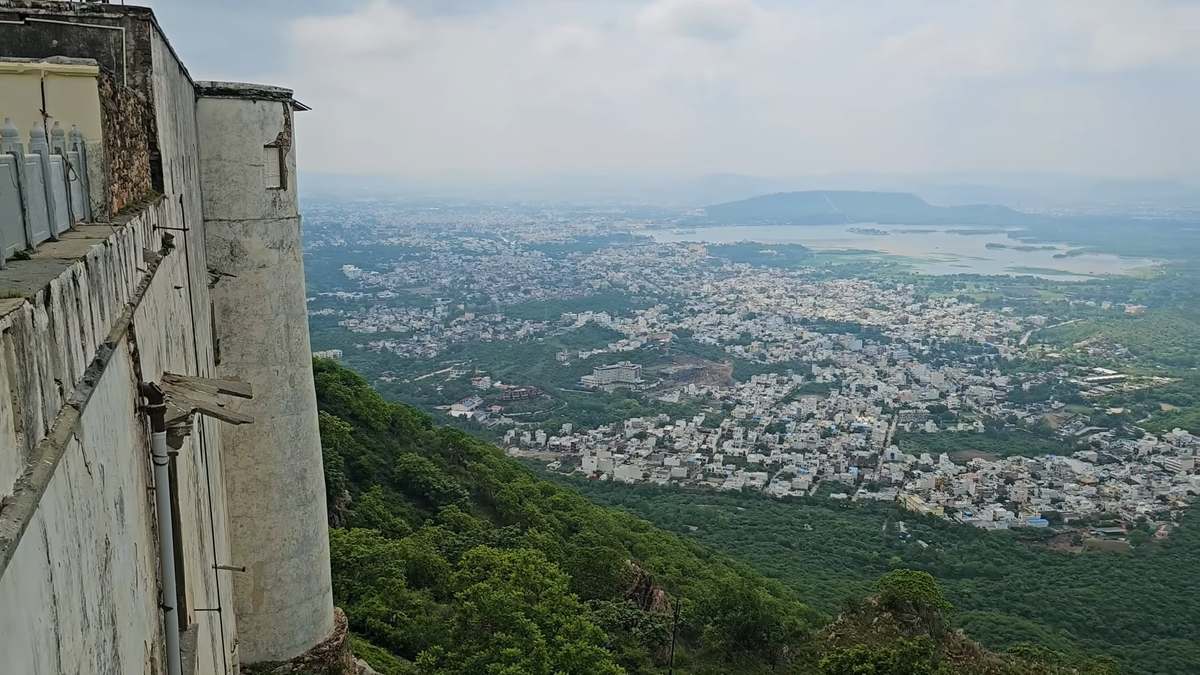
Ranakpur Jain Temple is not a place you rush to. This travel guide to the Ranakpur Jain Temple helps you experience the temple the way it deserves—slowly, peacefully, and with an appreciation for its history, architecture, and spiritual atmosphere hidden in the Aravalli hills.
As you move away from the city roads and enter the Aravalli hills, everything around you begins to change. Traffic noise fades. Roads become quiet. Trees stand closer to the road. Even your mobile network slowly disappears. At first, you notice it. Then you stop caring.
That is usually how the visit to Ranakpur Jain Temple begins. Not with excitement, but with calm.
People don’t come here for adventure or shopping. They come here to slow down. To walk without hurry. To see something that has stood quietly for hundreds of years. This temple does not ask for attention. It simply exists, steady and peaceful.
This Ranakpur Jain Temple travel guide also covers practical details such as the best time to visit, temple timings, and essential tips for first-time visitors.
Places to Visit
Ranakpur Jain Temple
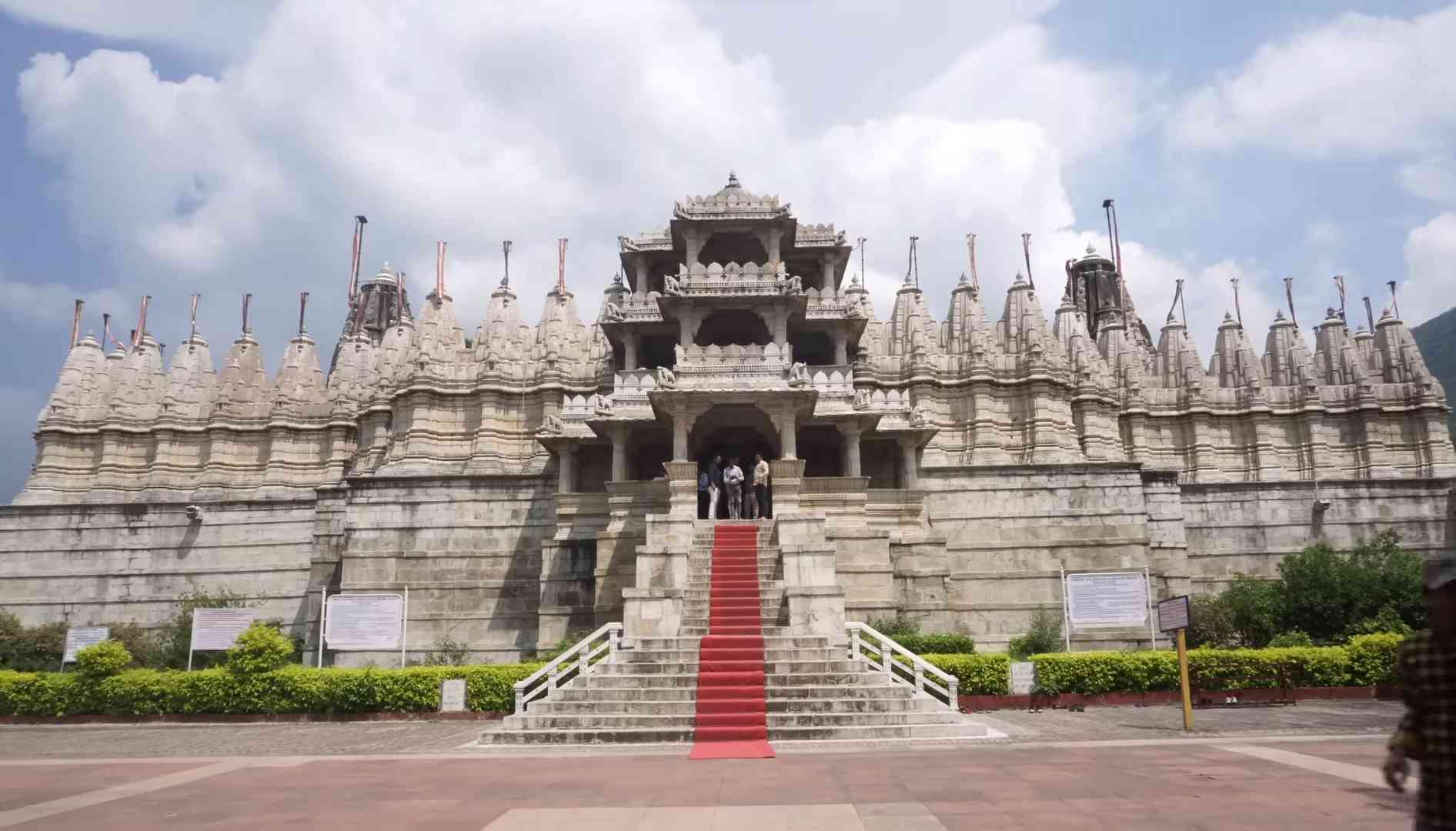
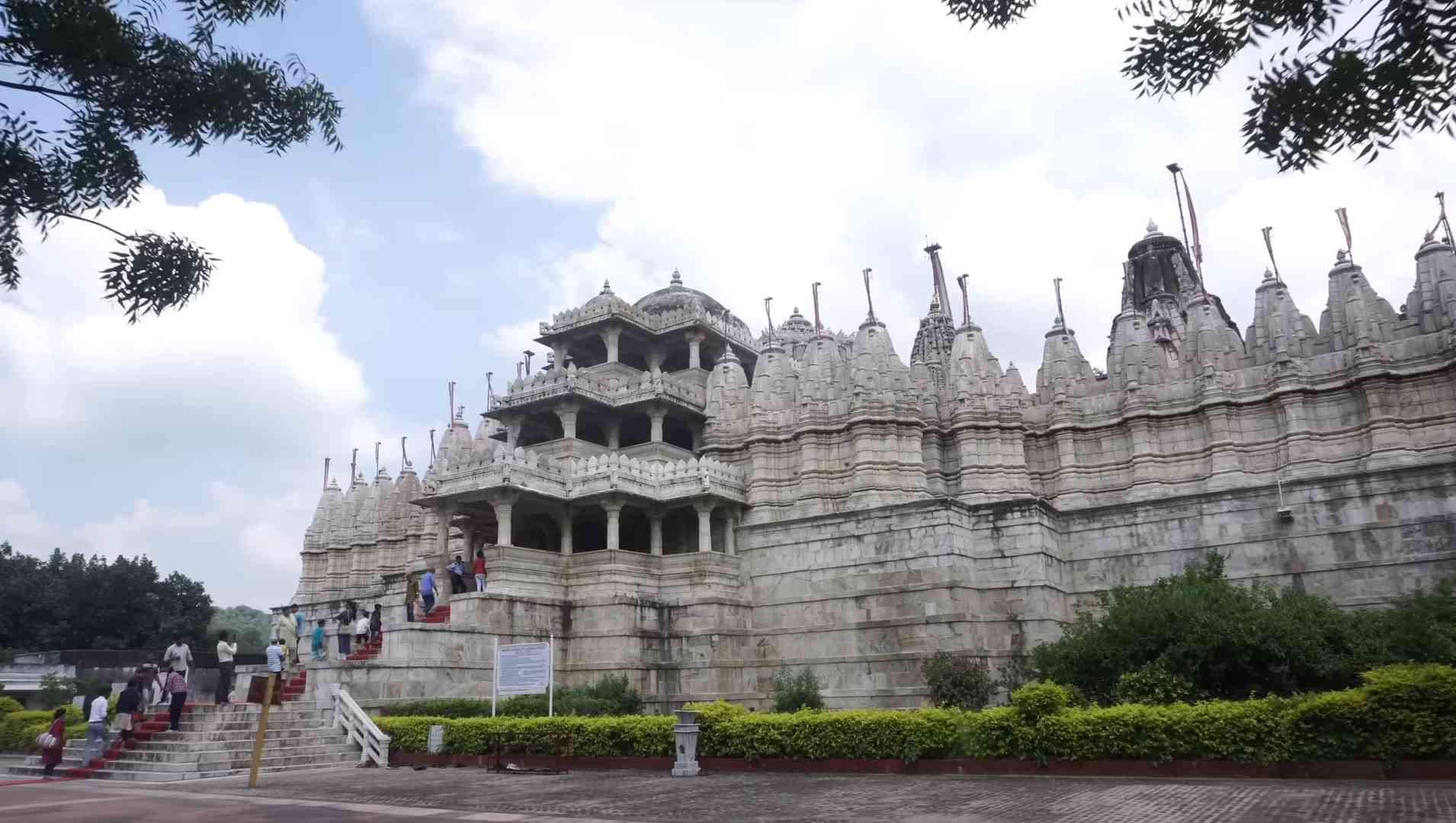
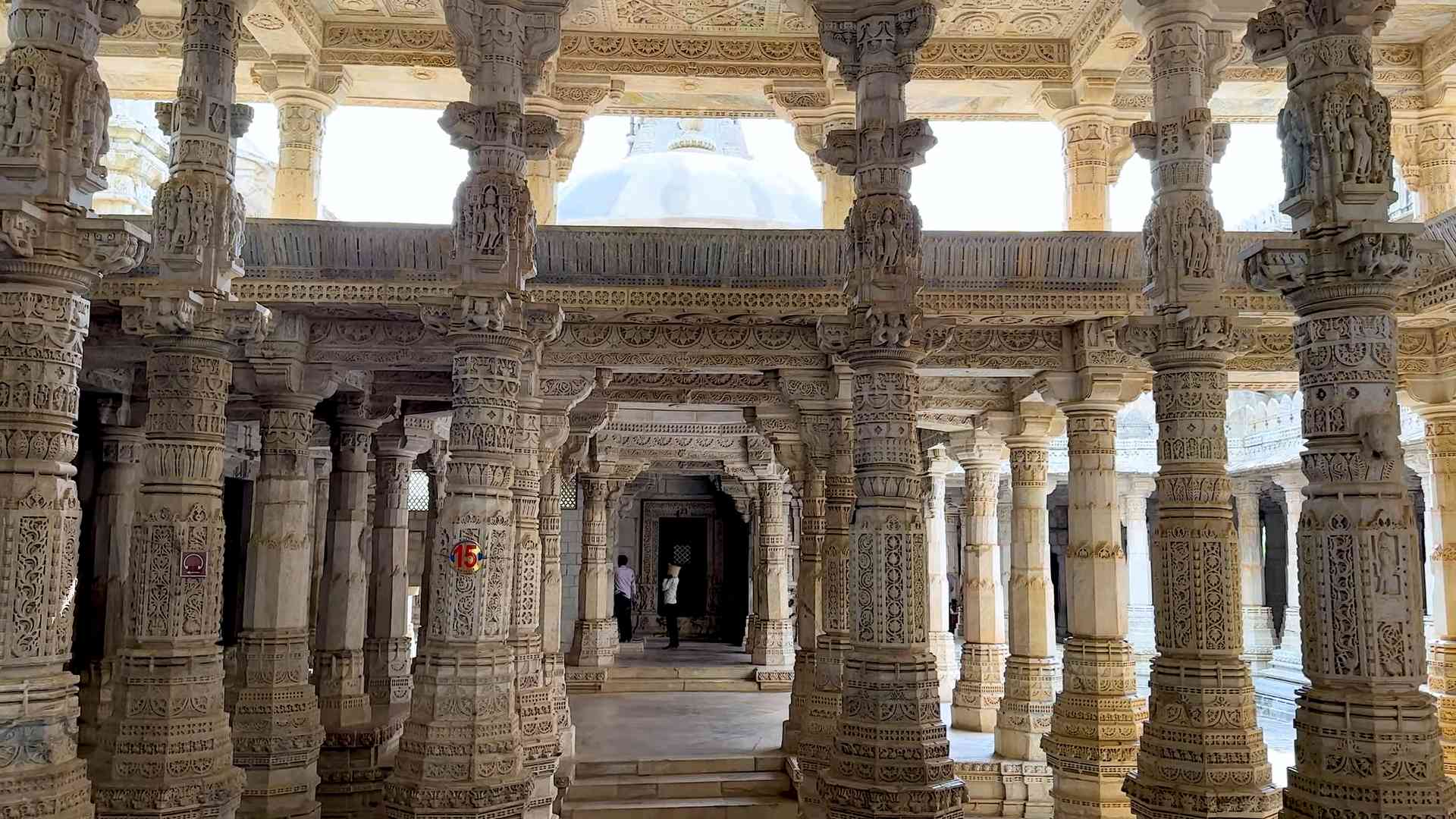
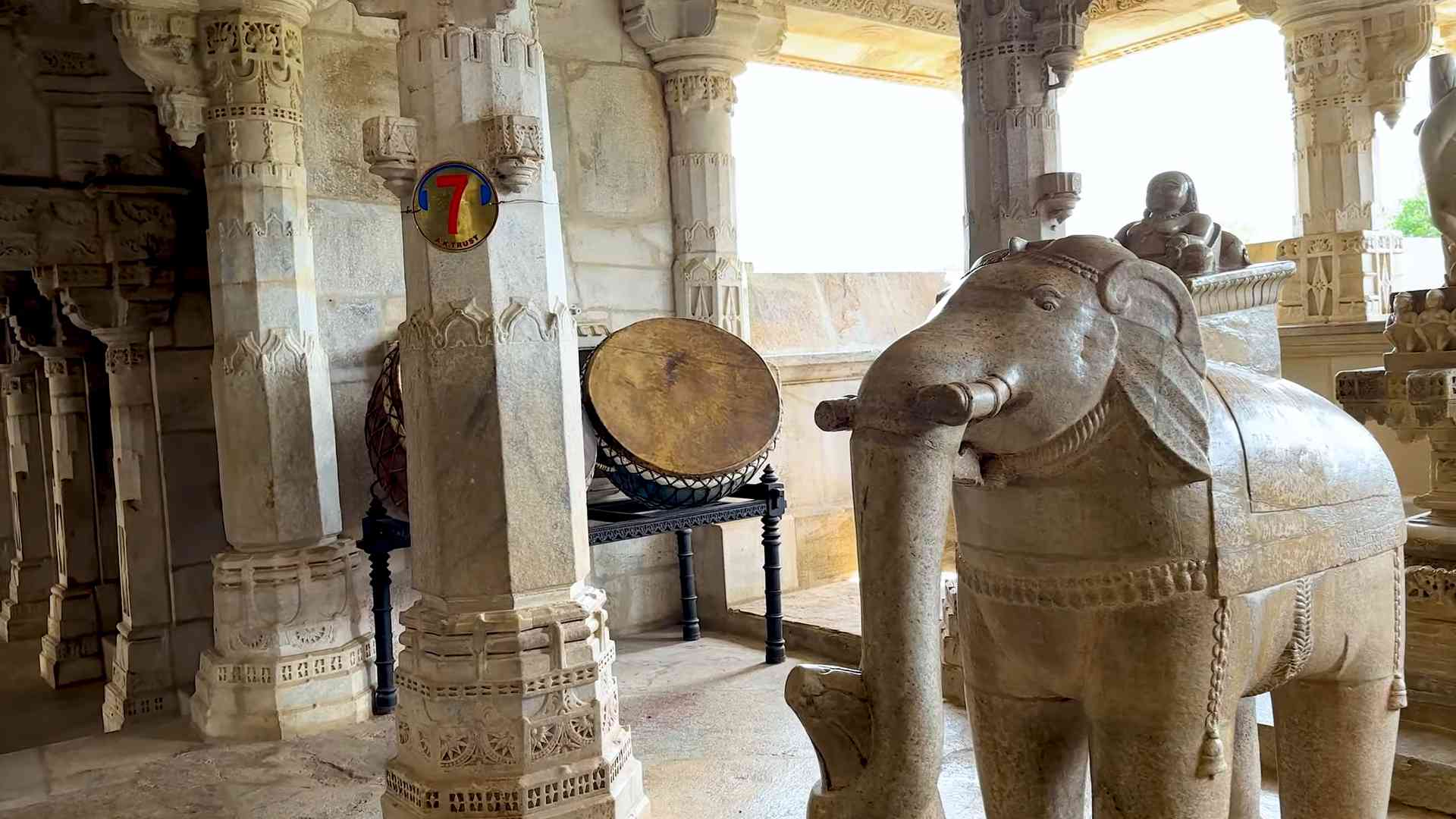
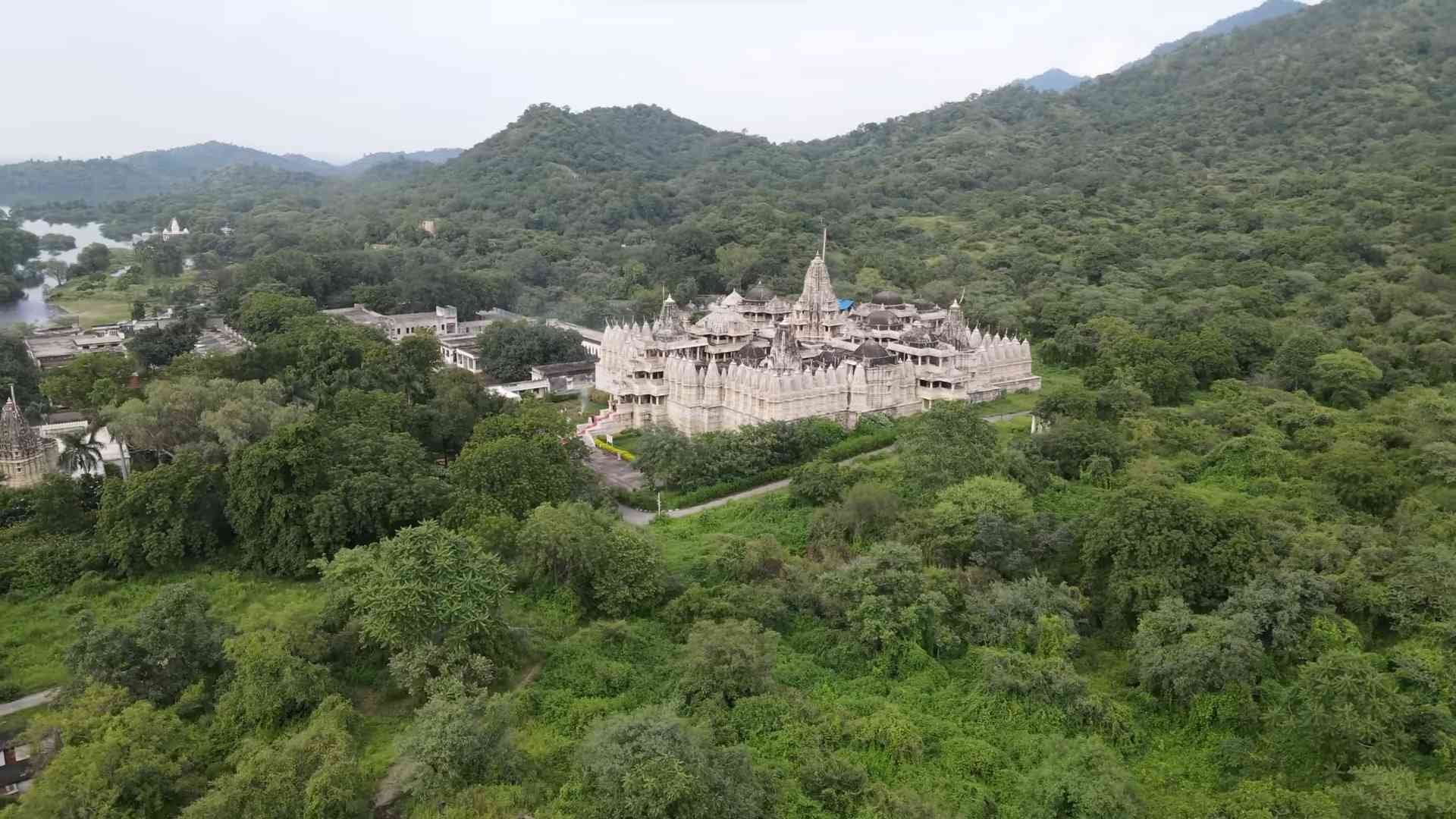
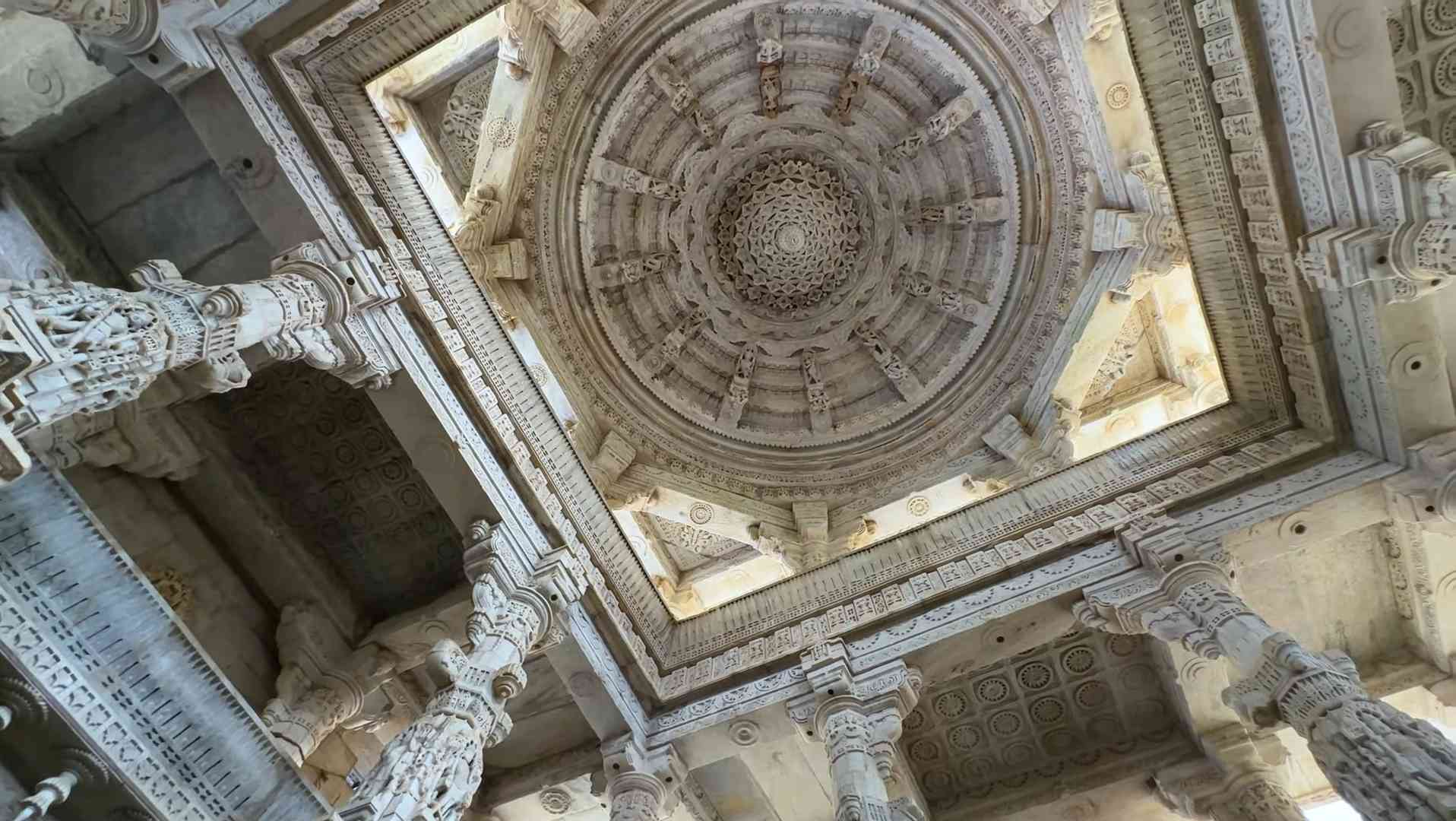
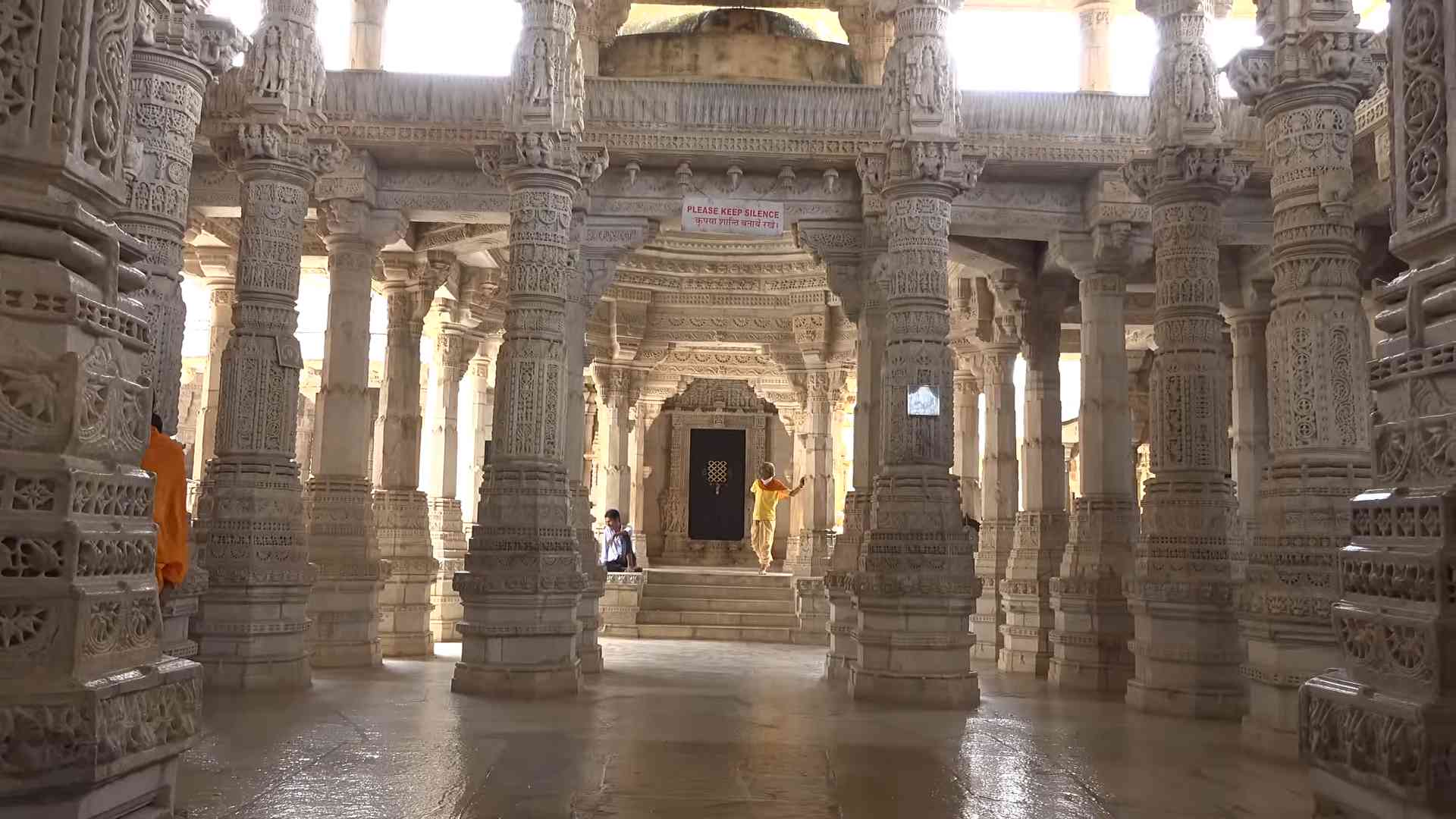
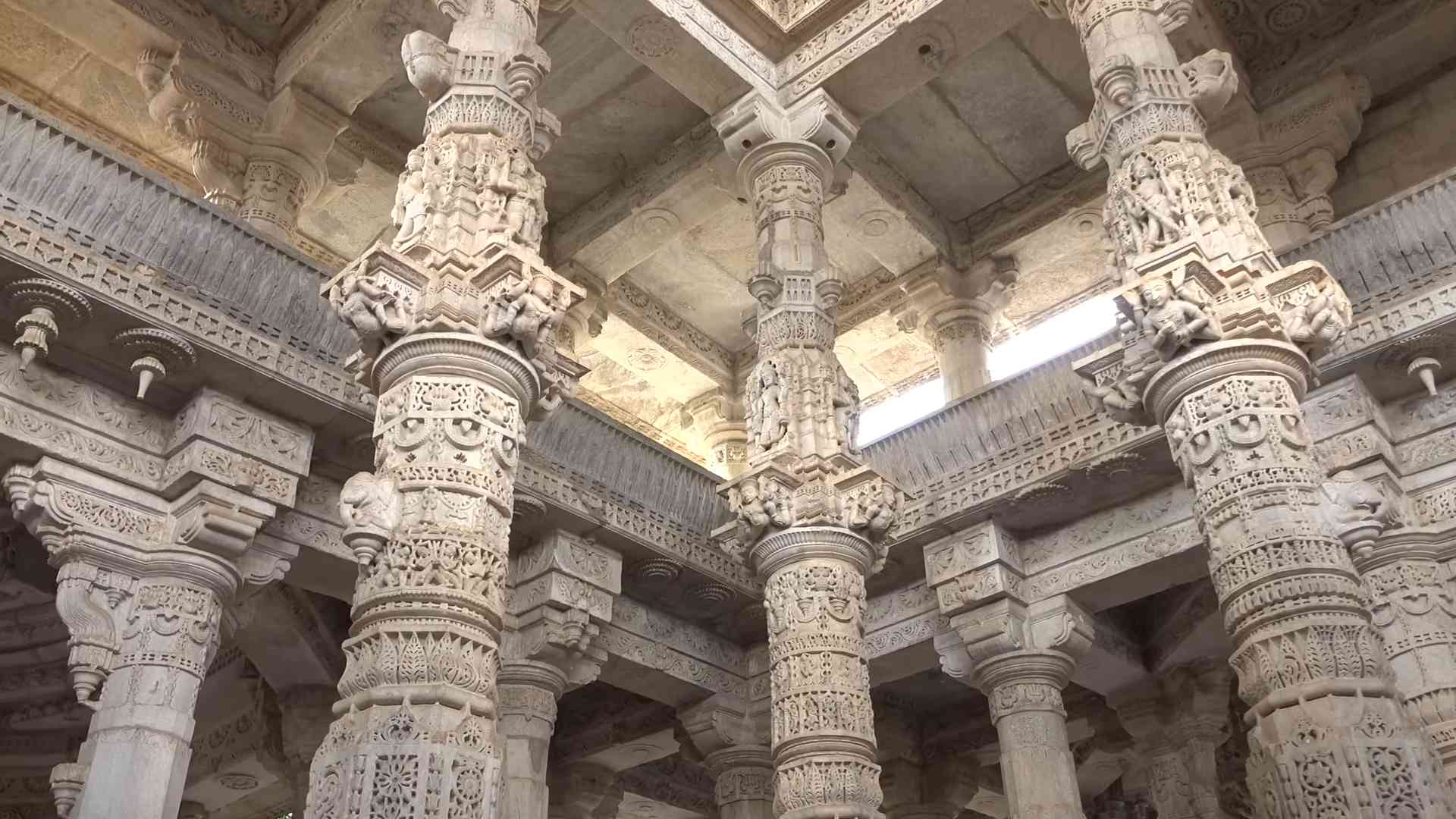
The Ranakpur Jain Temple is dedicated to Lord Adinath, the first Tirthankara of Jainism. Built in the 15th century, the entire temple is made of white marble. It is famous for its 1,444 pillars, and no two pillars are the same.
When you enter the temple, the first thing you feel is silence. People automatically lower their voices. You start looking up, then around, then slowly at details you didn’t notice before. Carvings of flowers, dancers, gods, and patterns cover the pillars and ceilings.
The temple has four entrances, facing all four directions. This design gives a feeling of balance and openness. Phones are not allowed inside the main temple area, and photography is allowed only during fixed hours. At first, this feels inconvenient. Later, you realise how rare it is to experience a place without a screen in your hand.
This is where the beauty of Ranakpur Jain Temple architecture really shows itself. It does not try to impress loudly. It reveals itself slowly.
Sun Temple
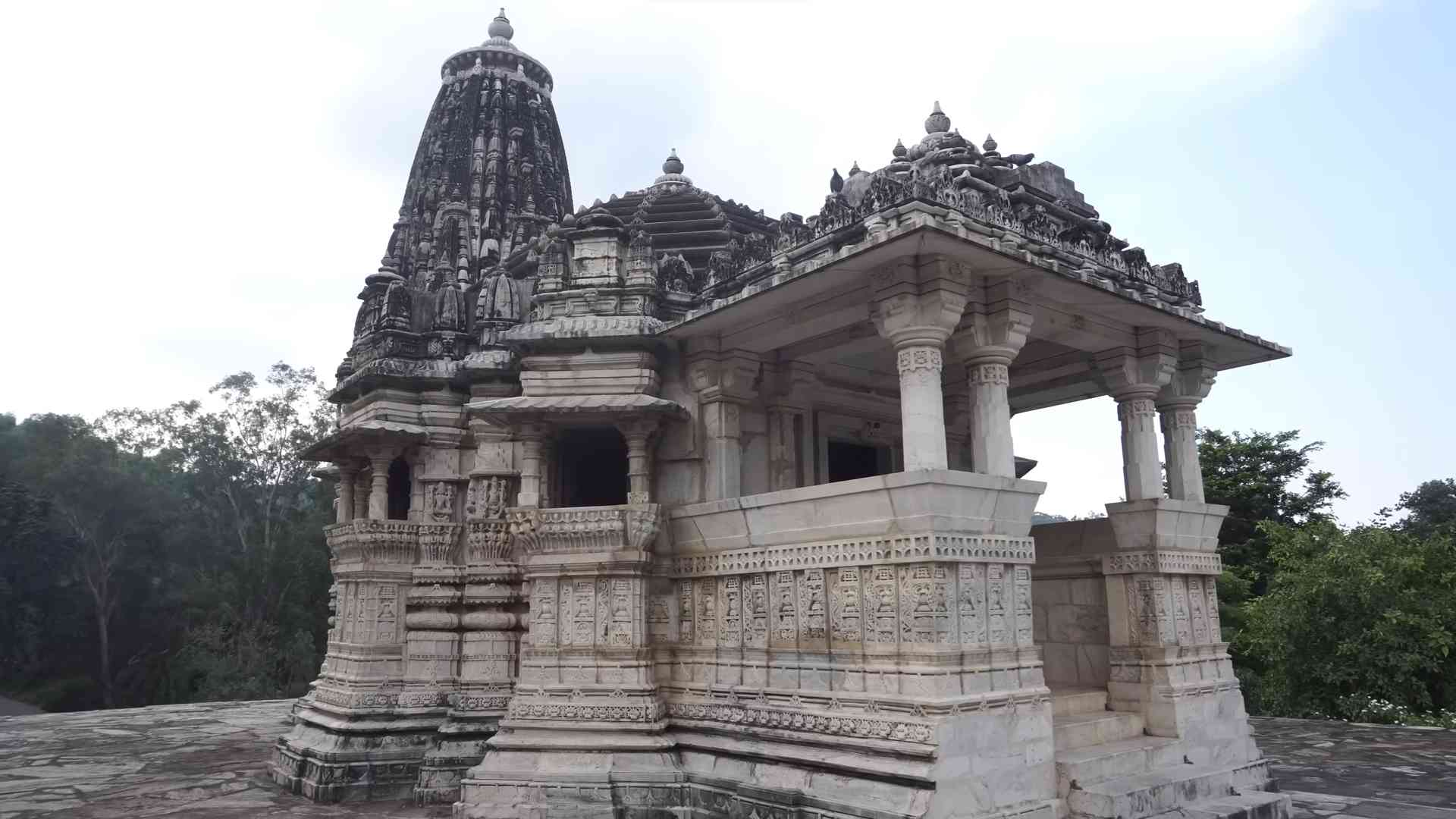
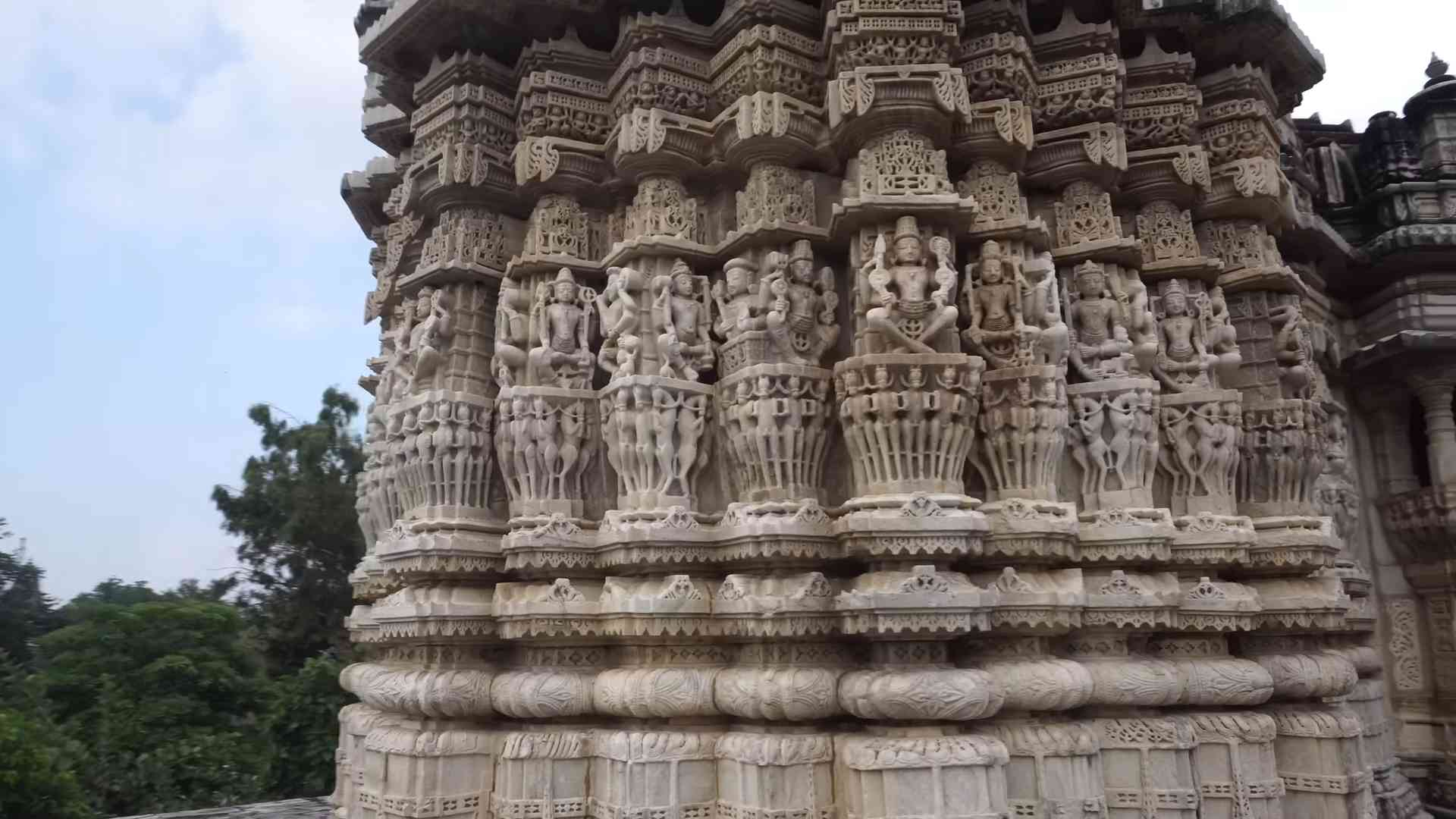
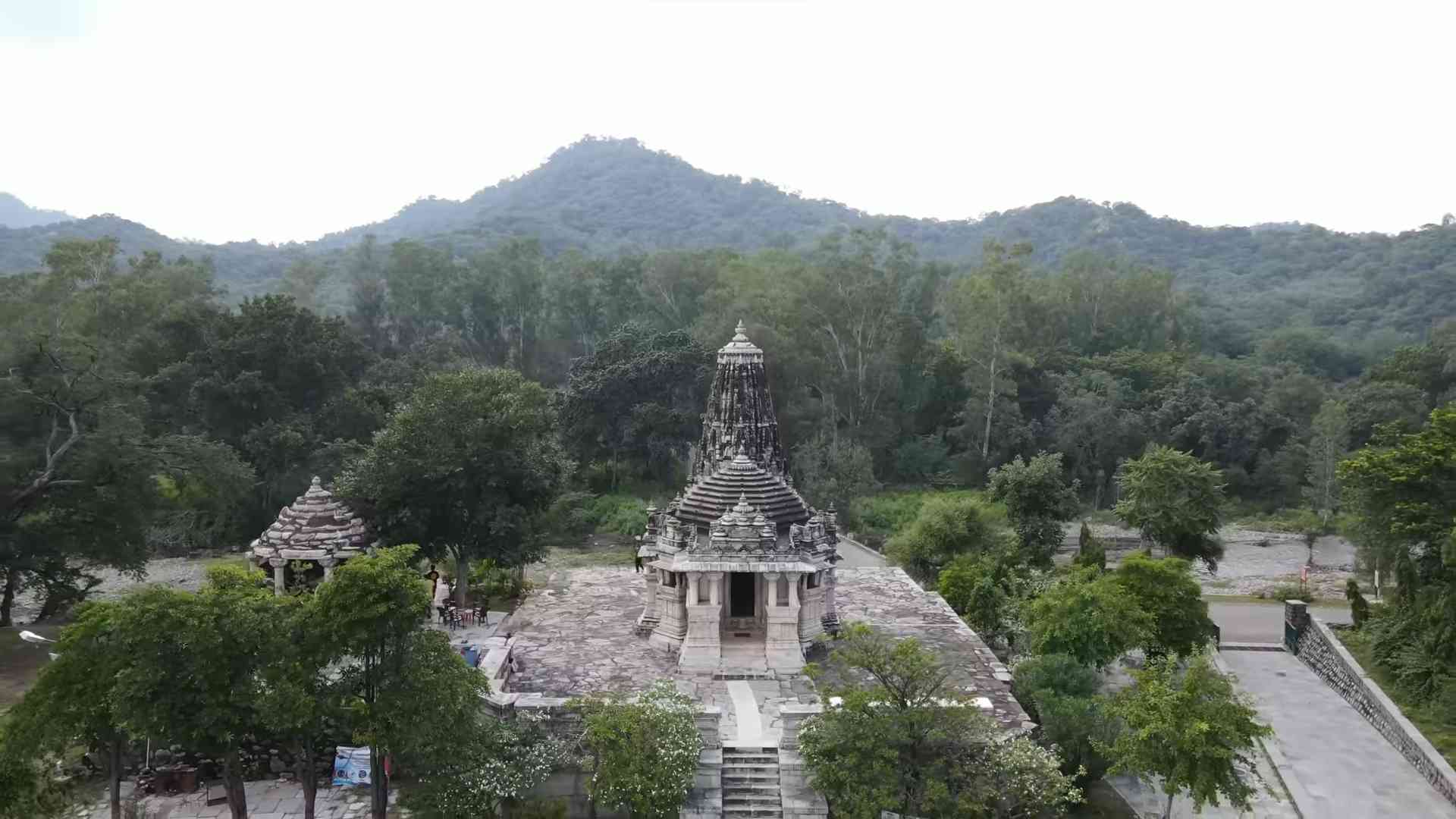
About one kilometre from the main temple complex is the Sun Temple. Many visitors skip it, which makes it even more peaceful. Built using stone-locking techniques without cement, it shows how advanced ancient construction methods were.
The structure is simple and symmetrical. Standing here quietly, especially in the afternoon light, feels grounding. You don’t need much time here. Even a few minutes feel enough.
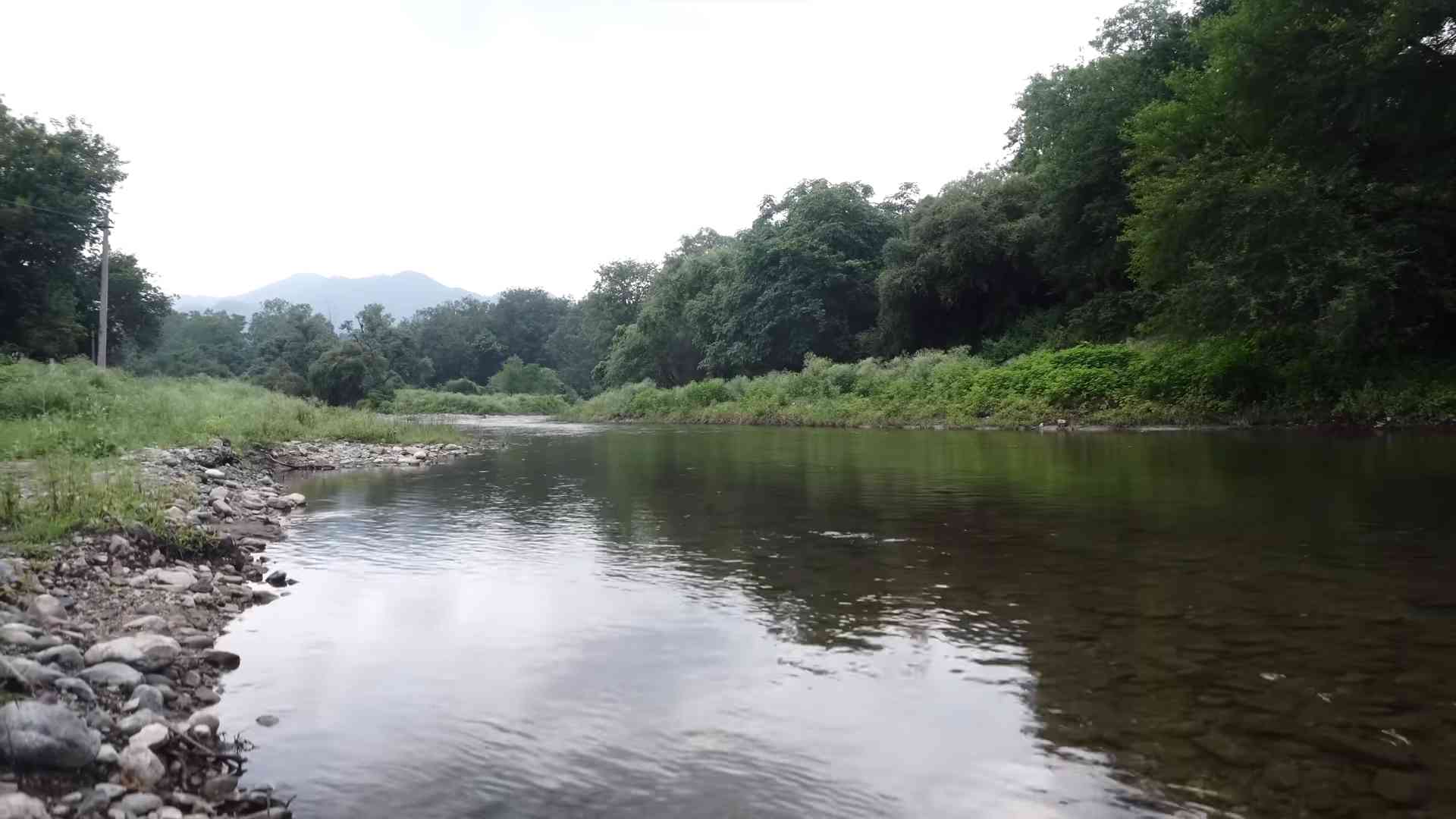


Ranakpur River
Near the temple flows a small river coming down from the Aravalli hills. The water is clean and clear, and in many places, you can see the stones at the bottom. There are no shops, no crowds, and no noise.
Many visitors sit here after finishing their temple visit. It feels like a natural pause before continuing the journey.
Sadri Town
Sadri is the nearest town to Ranakpur Jain Temple. Most buses stop here. The town is small and simple, with local food shops, dharamshalas, and budget hotels.
Breakfast in Sadri is worth trying. Kachori, mirchi vada, and tea taste better when eaten without hurry. Life here moves slowly, just like Ranakpur itself.
Best Time to Visit Ranakpur Jain Temple
| Season | Months | Weather | Travel Experience |
|---|---|---|---|
| Winter | October to March | Pleasant and cool | Best time to visit Ranakpur Jain Temple. Comfortable weather for temple visit and sightseeing. |
| Monsoon | July to September | Mild rain, greenery | Scenic drive through Aravalli hills. Surroundings look fresh, but travel can be slow during rain. |
| Summer | April to June | Hot during daytime | Fewer crowds. Temple interiors remain cooler due to marble. Early morning visits are recommended. |
How to Reach Ranakpur Jain Temple
| Mode of Travel | Nearest Point | Distance | Details |
|---|---|---|---|
| By Bus | Sadri Bus Stand | 9–10 km | State and private buses run till Sadri. From Sadri, taxis and shared jeeps are easily available to reach Ranakpur Jain Temple. |
| By Train | Falna Railway Station | ~29 km | Falna is the nearest railway station. It is well connected to major cities. Taxis are the most convenient option from here. |
| By Train (Alternative) | Udaipur Railway Station | ~95 km | Udaipur is better connected with major Indian cities. From here, you can hire a taxi or take a bus to Sadri and then reach the temple. |
| By Road | Udaipur | ~95 km | A scenic drive through the Aravalli hills. The road condition is good and the journey itself is enjoyable. |
| By Road | Mount Abu | ~160 km | A longer but beautiful road journey through hills and forest areas. |
| By Road | Jodhpur | ~170 km | Well-connected by highways. Best option is a private taxi or self-drive. |
Many travellers combine Ranakpur with Udaipur, so this Udaipur travel guide can help you plan your route and sightseeing better.
Budget Breakdown
| Expense Type | Details | Approximate Cost |
|---|---|---|
| Travel | Bus / Train + local taxi or shared jeep | ₹800 – ₹1,500 |
| Food | Local meals, snacks, tea | ₹300 – ₹600 per day |
| Food (Temple) | Bhojanshala satvik meal | Very low cost |
| Stay (Budget) | Dharamshala / budget guesthouse | ₹800 – ₹1,200 per night |
| Stay (Mid-range) | Hotel / resort | ₹3,000 – ₹6,000 per night |
| Temple Entry | Entry fee | Free |
| Phone Deposit | If carrying phone inside temple | ₹100 |
| Audio Guide (Optional) | History and architecture guide | ₹150 |
For detailed historical background and architecture, you can also check the Ranakpur Jain Temple page on Wikipedia.
Safety & Local Tips
Mobile network is weak in Ranakpur. Download maps before coming.
Dress modestly while visiting the temple.
Follow phone and camera rules inside the temple.
Avoid driving late at night because animals may cross the road.
Book your stay early during peak season.
If you are planning a longer Rajasthan trip, you can also read our Mount Abu travel guide for nearby places and stay options.
Final Thoughts
Ranakpur Jain Temple is not a place you rush through.
It is a place where you slow down, breathe deeply, and allow the calm to settle in.
You may forget the photos you clicked, but you will remember the silence, the marble pillars, and the quiet sense of peace that stays with you long after you leave. And sometimes, that is all a journey needs to give you.
For travelers seeking a meaningful experience, this Ranakpur Jain Temple travel guide is about more than sightseeing—it is about feeling the place.
People Also Ask
Ranakpur Jain Temple is famous for its white marble architecture and 1,444 carved pillars. The calm surroundings and detailed stone work make it one of the most beautiful Jain temples in India.
Ranakpur Jain Temple is around 95 km from Udaipur. It usually takes about 2.5 to 3 hours by road, depending on traffic and stops.
Photography is allowed only during fixed hours. Mobile phones are not allowed inside the main temple area and must be deposited at the counter.
The best time to visit Ranakpur Jain Temple is from October to March when the weather is pleasant and comfortable for sightseeing
Most visitors spend about 1.5 to 2 hours at Ranakpur Jain Temple. If you explore nearby spots, it can take half a day.
Yes, Ranakpur Jain Temple is open to everyone. Visitors from all religions can enter and explore the temple by following the rules.
There is no entry fee to visit Ranakpur Jain Temple. Only a small amount is charged if you deposit your phone or take an audio guide.
Yes, Ranakpur Jain Temple can be easily covered in one day, especially if you are coming from Udaipur or Mount Abu.